
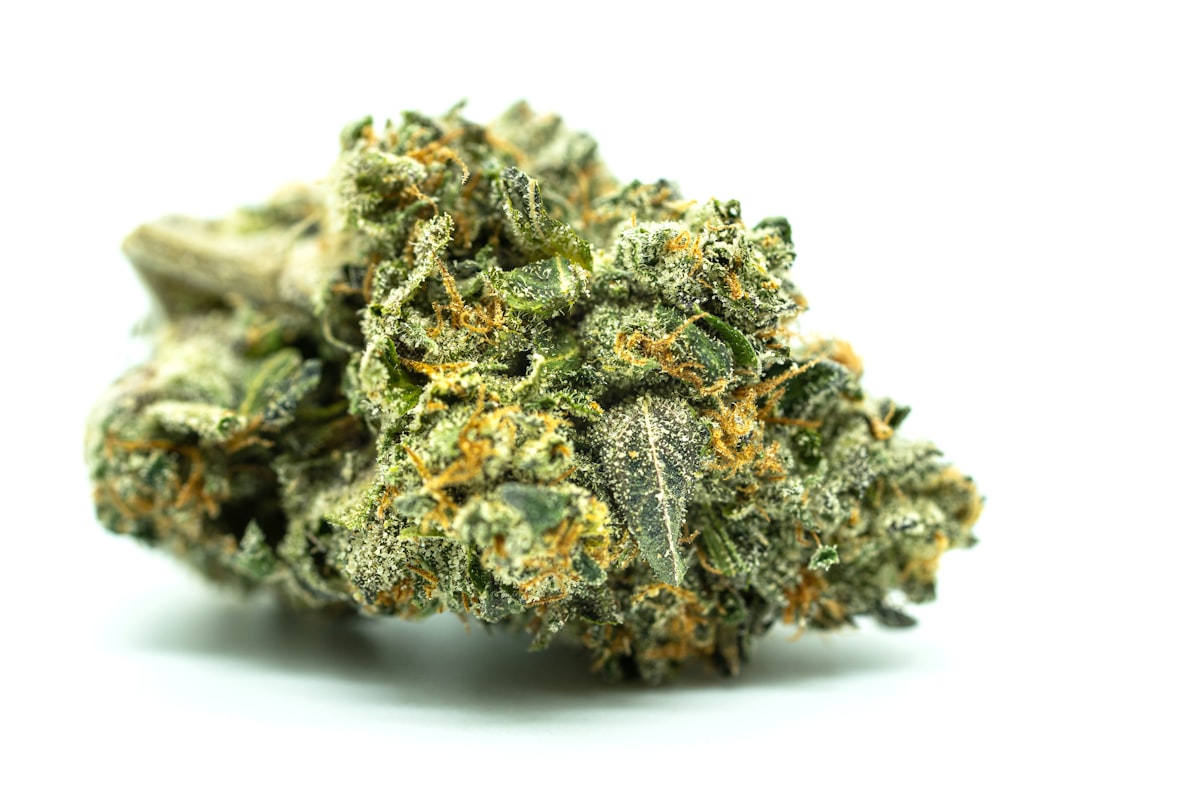
A comprehensive comparison of all cannabis consumption methods – smoking, vaporizers, edibles, sublingual, and topical – focusing on respiratory risks, temperatures, activated carbon filters, and practical recommendations.
The choice of consumption method is one of the most important health decisions when using cannabis. Each method has a specific risk profile encompassing respiratory health, dosability, duration of effects, and the risk of unintended overdose.
## Smoking – Traditional but Risky
When cannabis plant material is burned, temperatures exceed 700–900°C, producing not only cannabinoids but hundreds of toxic and carcinogenic compounds: polycyclic aromatic hydrocarbons (PAHs), benzene, toluene, ammonia, carbon monoxide, tar, and many others. Regular cannabis smokers more frequently report chronic bronchitis symptoms: persistent cough, increased mucus production, and more frequent respiratory infections. These symptoms are largely reversible when smoking stops.
Mixing cannabis with tobacco – common in Germany and Europe – significantly increases health risks. The additional nicotine promotes nicotine dependence, and many cravings for a joint are partly driven by nicotine withdrawal rather than cannabis alone.
Activated carbon filters can filter out certain harmful substances – particularly tar and some aromatic compounds – to some degree without substantially reducing cannabinoids. They represent an improvement over unfiltered options but do not eliminate the fundamental risks of smoking.
## Vaporizing – the Lowest-Risk Inhalation Method
Vaporizing heats plant material to 160–220°C, causing cannabinoids and terpenes to vaporize without combustion. The resulting vapor contains active compounds but significantly fewer toxic byproducts than smoke.
Temperature ranges: 160–180°C for lighter, clearer effects; 180–200°C for optimal extraction of major cannabinoids; 200–220°C for stronger effects with slightly more combustion products (still far below smoke levels); above 230°C, combustion begins and should be avoided.
High-quality tabletop vaporizers (Volcano, Mighty+) offer more precise temperature control than portable devices. Disposable vapes are often poorly regulated and may contain contaminated liquids (e.g., vitamin E acetate, linked to severe lung injury).
Vaporizing is the recommended inhalation method – significantly lower risk than smoking, with good dosability due to fast onset.
## Edibles – No Respiratory Burden, but Special Risks
When THC is ingested, it undergoes first-pass metabolism in the liver, where a significant portion is converted to 11-hydroxy-THC (11-OH-THC). This compound is more potent than THC itself, crosses the blood-brain barrier more efficiently, and produces a more intense, physical, longer-lasting effect. Bioavailability is variable (6–20%) and depends on lipid formulation, fat content of the meal, individual metabolism, and gut microbiome – making precise dosing particularly challenging.
Recommendation: Commercially purchased, lab-tested edibles with precisely stated THC content are strongly preferable to homemade products. For beginners: max. 2.5 mg THC, wait at least 2 hours before any re-dosing.
## Sublingual – Oils and Tinctures
Dropping cannabis oils or tinctures under the tongue enables direct absorption through oral mucosa into the bloodstream – partially bypassing liver metabolism. This leads to earlier onset than edibles (15–45 minutes) with less conversion to 11-hydroxy-THC. Precise dosing through standardized drops is possible, with no respiratory burden.
## Topical Applications – Local Relief Without Intoxication
Creams, ointments, and patches with cannabis extract (typically CBD) applied to skin penetrate superficial tissue layers, acting locally on pain receptors and inflammatory processes. Topical products generally do not reach the bloodstream and produce no psychoactive effect. Transdermal patches designed for systemic effect can deliver measurable amounts into the blood.
## Overall Recommendation (Risk-Ranked)
1. Topical (no intoxication, no systemic risks) 2. Sublingual (controlled, no respiratory burden) 3. Vaporizing at moderate temperatures (lowest-risk inhalation) 4. Edibles from regulated, tested sources (no respiratory risk but dosing challenge) 5. Smoking without tobacco and with activated carbon filter 6. Smoking with tobacco (significantly elevated risk, not recommended) 7. Dabs/concentrates (very high risk, not suitable for beginners) 8. Synthetic cannabinoids (never consume)
Related Articles
Safer Use Rules for Cannabis
Comprehensive rules for low-risk cannabis use – covering set and setting, dosing, consumption methods, tolerance management, polydrug use, and emergency response.
Dosing for Beginners
How beginners find the right cannabis dose – understanding THC content, differences between consumption methods, microdosing, onset times, individual factors, edibles risks, and systematic titration.
Cannabis and Mental Health
How cannabis affects mental health – anxiety, panic, depression, psychosis risk, effects on adolescent brains, dependency potential (9%), withdrawal symptoms, and counseling resources in Germany.
Set and Setting: The Foundations of a Safe Consumption Situation
Inner state (set) and external conditions (setting) largely determine whether a cannabis experience is pleasant or unpleasant. A practical guide to risk minimization.