
A factual comparison of acute and long-term risks, dependency potentials, and societal costs of cannabis, alcohol, and nicotine – and why legality does not equal safety.
Since the partial legalization of cannabis in Germany in April 2024, a common question is: is cannabis just as safe as alcohol? Or less harmful than cigarettes? These comparisons are legitimate and scientifically useful – they help place cannabis risks in societal context. But they must not lead to trivializing cannabis. This article presents the available evidence objectively.
## Acute Toxicity
Alcohol: Acute alcohol poisoning is a common medical emergency with potentially fatal outcome. The lethal dose lies at approximately 3–5 per mille blood alcohol concentration. Alcohol directly depresses the central nervous system and can cause respiratory arrest. Thousands of Germans die from acute alcohol poisoning each year.
Nicotine: Acute nicotine poisoning (e.g., through patches, liquid nicotine, or in small children) is serious and can be fatal. In regular cigarette smoking, acute toxicity is low, as the body self-regulates through nausea at uncomfortable doses.
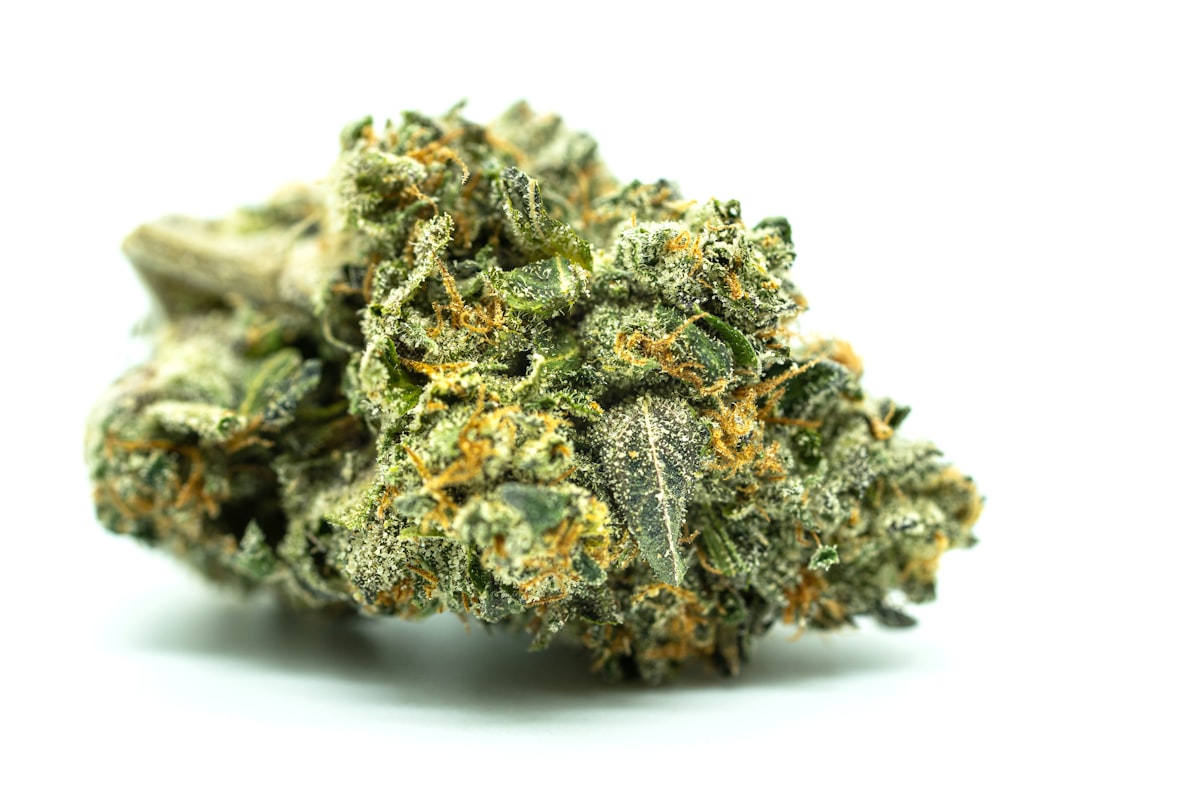
Cannabis: No documented death from cannabis overdose alone is known. This is due to the very low density of cannabinoid receptors in brainstem areas responsible for respiration. A severe cannabis overdose is extremely unpleasant but not directly life-threatening. Exception: polydrug use with alcohol or opiates can become dangerous.
## Long-Term Risks
Alcohol: Associated with a broad spectrum of severe long-term diseases including liver cirrhosis, pancreatitis, cardiomyopathy, at least seven types of cancer, Wernicke encephalopathy, peripheral neuropathy, severe cognitive impairment (Korsakoff syndrome), and fetal alcohol syndrome. The WHO classifies alcohol as a Group 1 carcinogen – definitively cancer-causing in humans.
Nicotine/Tobacco: Smoking is Germany's leading preventable cause of death, with over 120,000 deaths per year. Long-term tobacco use is associated with lung cancer (strongest documented risk factor), heart attack, stroke, peripheral arterial disease, COPD, and over 20 other cancers.
Cannabis: Long-term risks are real but in direct comparison with alcohol and tobacco are lower in many areas – with important exceptions: respiratory disease from smoking is comparable to tobacco smoke but at lower magnitude (since cannabis is typically smoked in far smaller quantities); psychosis risk is specific to cannabis without equivalent in alcohol or nicotine; well-documented cognitive impairments with regular long-term use, especially when begun in adolescence.
## Dependency Potential
Scientific rankings place dependency potential approximately as follows: heroin/opiates (highest), nicotine (approximately 67% of regular users develop dependence – comparable to heroin), alcohol (approximately 15% of regular drinkers develop alcohol dependence, with potentially life-threatening withdrawal), cannabis (approximately 9% of ever-users develop dependence, with milder but real withdrawal).
## Polydrug Use
Cannabis and alcohol: Alcohol increases THC absorption and the combination can lead to unexpectedly intense and prolonged intoxication. The "whitey" – dizziness, nausea, pallor, circulatory problems – is a typical consequence.
Cannabis and tobacco (in joints): Common in Germany, but significantly increases the risk of nicotine dependence. The desire for a joint can overlap with nicotine craving, facilitating entry into tobacco smoking.
## Legality Does Not Equal Safety
Alcohol and nicotine's legality is based on historical, cultural, and economic factors – not on a rational safety profile. A rational assessment based on available evidence concludes that alcohol has the highest societal harm potential of all widespread substances (Nutt et al., Lancet 2010: alcohol ranked as the most harmful substance overall when combining personal and societal harm – more harmful than heroin, crack, and cannabis).
The conclusion from this comparison is not: "Cannabis is harmless." It is: all three substances – cannabis, alcohol, and nicotine – carry risks. The decision to consume should be based on knowledge, risk awareness, and personal risk profile. Cannabis legalization creates a framework for more informed, harm-reduced use – it is not a health endorsement.
Related Articles
Safer Use Rules for Cannabis
Comprehensive rules for low-risk cannabis use – covering set and setting, dosing, consumption methods, tolerance management, polydrug use, and emergency response.
Cannabis and Mental Health
How cannabis affects mental health – anxiety, panic, depression, psychosis risk, effects on adolescent brains, dependency potential (9%), withdrawal symptoms, and counseling resources in Germany.
Consumption Methods and Their Risks in Detail
A comprehensive comparison of all cannabis consumption methods – smoking, vaporizers, edibles, sublingual, and topical – focusing on respiratory risks, temperatures, activated carbon filters, and practical recommendations.
Set and Setting: The Foundations of a Safe Consumption Situation
Inner state (set) and external conditions (setting) largely determine whether a cannabis experience is pleasant or unpleasant. A practical guide to risk minimization.